Indigenous Practices in Global Trade: Building and Honouring Relationships
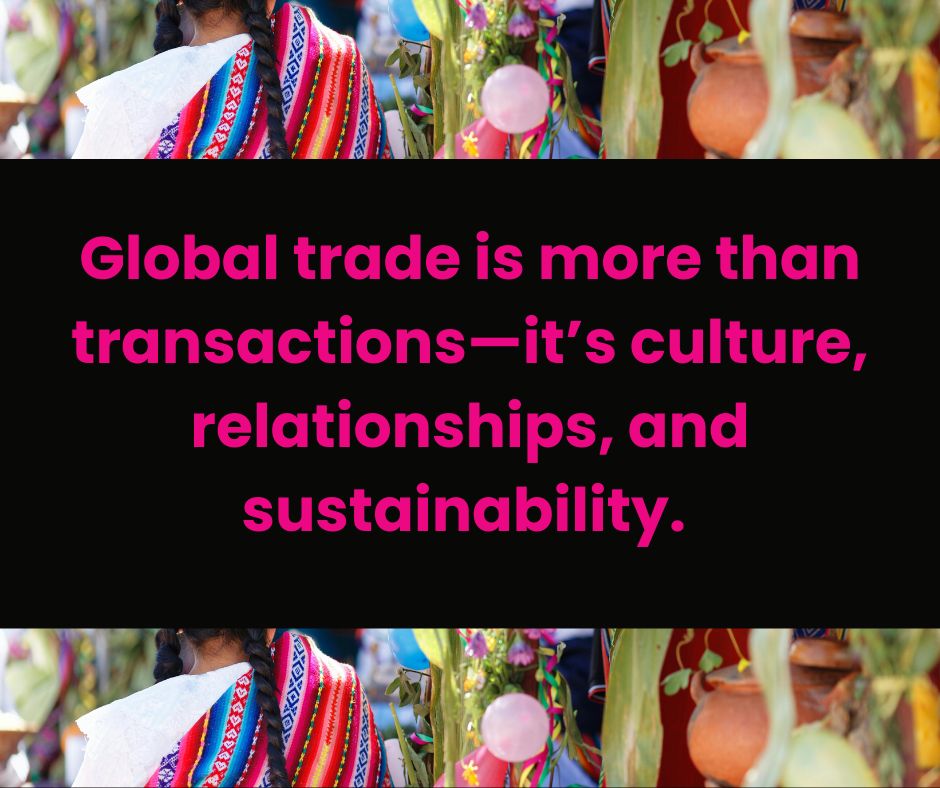
In Indigenous cultures around the world, relationships form the foundation of trade—not just transactions. From the Māori of Aotearoa/New Zealand to the Quandamooka People of Stradbroke Island, Indigenous trade practices prioritise trust, reciprocity, and long-term partnerships. These principles offer vital lessons for global trade and supply chains today, strengthening ethical, resilient, and inclusive networks.
The Importance of Relationship-Building in Global Trade
Indigenous trade systems emphasise people, place, and purpose. Relationships are cultivated through dialogue, shared values, and mutual respect. Embedding these practices in modern global trade can:
- Strengthen ethical partnerships and cultural understanding.
- Enhance collaboration across supply chains, fostering long-term stability.
- Support innovation by co-creating solutions with diverse stakeholders.
Inclusive trade is about participation, not tokenism. Engaging Indigenous enterprises early in program design ensures cultural integrity, equitable benefit sharing, and trust—critical elements for resilient international supply chains.
Case Studies in Practice
1. Māori Enterprises, Aotearoa/New Zealand
Māori business leaders co-design trade programs with universities and government bodies, embedding Tikanga (customary practices) alongside export and supply chain education. For example, iwi (tribes) participate in trade education programs for Māori agribusiness, ensuring cultural practices are embedded while strengthening global market readiness. (Te Puni Kōkiri, NZ Government)
2. West Baffin Eskimo Cooperative, Canada
Based in Kinngait (Cape Dorset), Nunavut, the cooperative markets Inuit artwork globally and supports local economic participation. Elders and community members guide the cooperative’s operations, ensuring that cultural protocols, storytelling, and community decision-making shape business strategies. (West Baffin Eskimo Cooperative)
3. Aboriginal Business Networks, Australia
Aboriginal enterprises collaborate on business accelerator programs and trade initiatives, particularly in Northern Australia. Programs integrate community priorities, ethical trading practices, and cultural values into mentorship, workshops, and supply chain development. Certified Aboriginal and Torres Strait Islander businesses participate in broader supply networks through initiatives like Supply Nation.
Practical Guidance for Building Inclusive Trade Relationships
To embed Indigenous principles in global trade and supply chains, organisations can adopt three key approaches:
1. Involve Indigenous Leaders Early
Invite Indigenous enterprises to co-design programs, advisory boards, and trade strategies from the outset. Early engagement ensures relevance, trust, and sustainable partnerships.
2. Prioritise Reciprocity and Transparency
Trade relationships should benefit all parties equitably. Open dialogue about expectations, contributions, and benefits strengthens trust and supports long-term collaboration.
3. Respect Cultural Protocols
Recognise community decision-making processes, language, and cultural practices. Some Indigenous communities require collective consultation or elder approval before trade agreements proceed. Respecting these protocols safeguards relationships and community trust.
Why This Matters for Global Supply Chains
Inclusive, relationship-based trade is essential for resilient global supply chains. Indigenous approaches to collaboration, reciprocity, and long-term partnership can:
- Reduce risk by diversifying supply networks with trusted partners.
- Enhance sustainability through culturally informed resource management.
- Foster innovation through collaborative problem-solving and knowledge sharing.
By honouring relationships, global trade can become more ethical, adaptive, and equitable.
Connecting to the Festival of Inclusive Trade 2026
Discussions about Indigenous practices in global trade will be a key focus at the Festival of Inclusive Trade 2026, hosted by GTPA. The Festival offers an opportunity to explore how Indigenous principles can strengthen supply chains, shape inclusive trade strategies, and create partnerships that extend beyond a single transaction.
Get Involved: Organisations, policymakers, and trade professionals can engage with Indigenous leaders, co-create sessions, and participate in workshops to learn and implement these practices in their own trade initiatives. The Festival is a global platform to connect, learn, and contribute to the future of inclusive trade.