Indigenous Practices in Global Trade: Context and Language
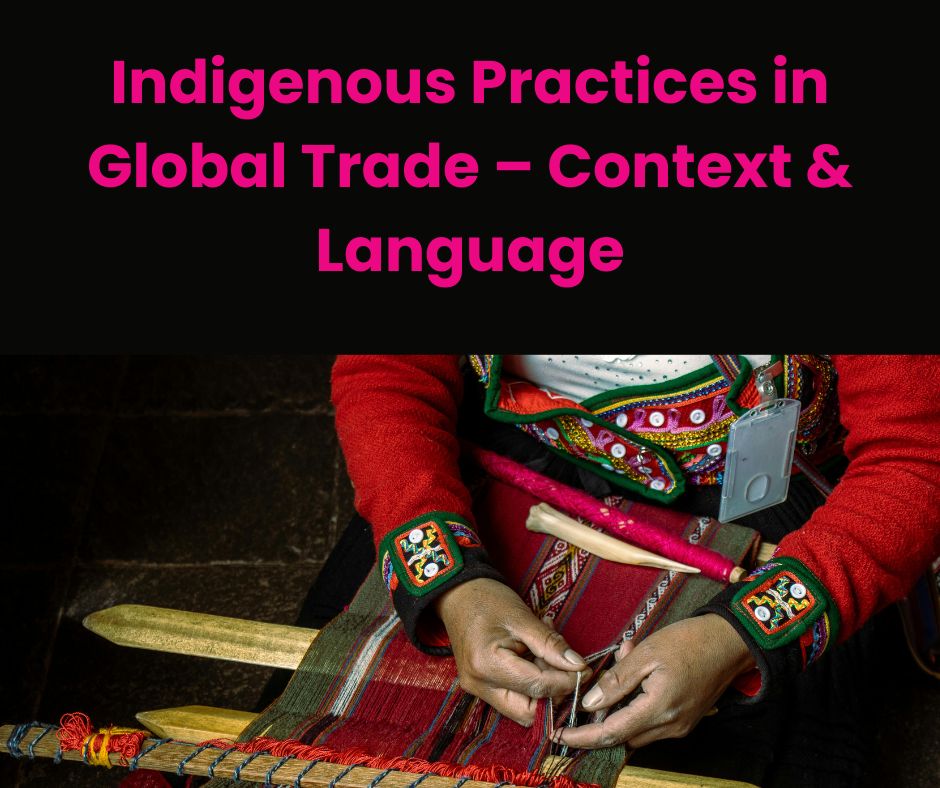
Language, context, and cultural understanding are fundamental to inclusive trade. Indigenous business leaders and communities bring unique knowledge systems, decision-making practices, and storytelling methods that can strengthen global trade programs and supply chains. Embedding Indigenous voices as co-educators and co-designers ensures that trade initiatives are culturally relevant, ethically guided, and globally competitive.
Why Context and Language Matter in Trade
Indigenous practices show that language and context are not just communication tools—they are key to understanding trade relationships, cultural protocols, and supply chain dynamics.
- Language as a tool of trust: Indigenous languages carry nuanced knowledge about resources, seasonal cycles, and community priorities.
- Context informs decision-making: Trade and supply decisions are made with consideration for community wellbeing, ecological sustainability, and intergenerational impact.
- Co-teaching ensures authenticity: Indigenous leaders acting as educators convey both technical trade knowledge and cultural wisdom, bridging global and local perspectives.
Integrating Indigenous leadership and context into trade programs ensures that participants engage with trade as a culturally informed practice, not just a transactional process.
Case Studies in Practice
1. Navajo Entrepreneurs, USA
Navajo business leaders co-teach modules on culturally informed branding, supply chain ethics, and business development. Their guidance ensures that trade programs respect tribal protocols while supporting market access for Indigenous enterprises. (Native American Business Development Institute)
2. Aboriginal Tourism Enterprises, Northern Australia
Aboriginal business owners lead workshops on storytelling in international marketing. Co-teaching ensures that cultural knowledge is represented authentically in global tourism and export strategies, enhancing credibility and community benefit. (Tourism Australia – Aboriginal Tourism)
3. Sami Reindeer Cooperatives, Norway
Sami leaders teach modules on sustainable trade, resource management, and community governance. Students learn how trade agreements can balance cultural preservation, ecological stewardship, and economic growth. (Sámi Council)
4. Māori Enterprises, Aotearoa/New Zealand
Māori trade and business leaders participate in co-designed export and supply chain programs, teaching modules alongside government and university partners. This approach integrates Tikanga Māori into modern trade practices, ensuring cultural integrity while preparing businesses for global markets. (Te Puni Kōkiri – Māori Business)
Practical Guidance for Global Trade Professionals
1. Embed Indigenous Leaders as Co-Educators
Invite Indigenous leaders to teach modules or workshops. Their presence ensures that cultural context, language, and decision-making principles inform trade training.
2. Integrate Language and Cultural Knowledge
Use Indigenous language and concepts where appropriate to convey nuanced understanding of resources, supply networks, and community priorities.
3. Ensure Co-Design Across Programs
From curricula to trade agreements, co-design with Indigenous stakeholders ensures authenticity, ethical compliance, and operational relevance.
Why This Matters for Global Supply Chains
Trade programs and supply chains that integrate Indigenous context and language:
- Improve decision-making quality by incorporating local knowledge and ecological understanding.
- Enhance ethical and cultural compliance, reducing risks of disputes or misrepresentation.
- Strengthen global partnerships by demonstrating respect, inclusion, and credibility.
This approach creates supply chains that are resilient, culturally informed, and adaptable, benefiting both Indigenous and global trade participants.
Connecting to the Festival of Inclusive Trade 2026
The Festival of Inclusive Trade 2026 will showcase how Indigenous co-teaching and contextual knowledge can enhance global trade programs and supply chain resilience. Participants can engage with Indigenous leaders, co-create solutions, and explore strategies for integrating cultural context into global trade operations.
Get Involved: Attend workshops and sessions where Indigenous educators share lessons on cultural protocols, sustainable supply chains, and inclusive trade strategy, contributing to the future of global trade.