Indigenous Practices in Global Trade: Knowledge Gathering
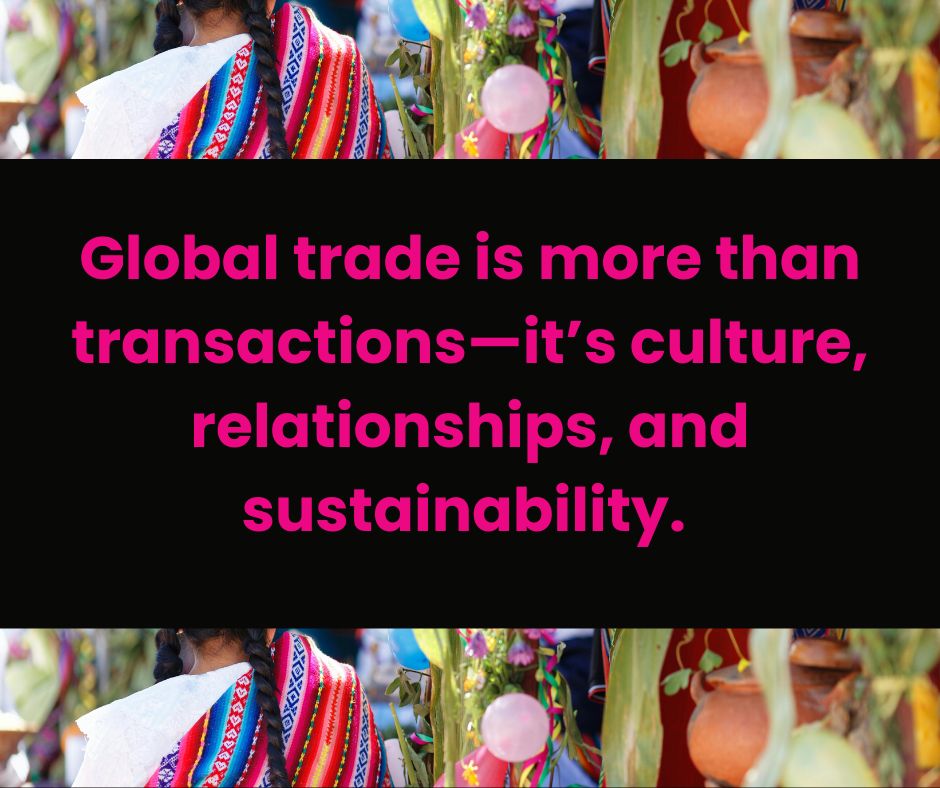
Knowledge is the lifeblood of trade. In Indigenous cultures around the world, knowledge is gathered, shared, and preserved through oral traditions, storytelling, and community practice. These methods are not only cultural expressions—they are sophisticated systems for managing resources, guiding trade relationships, and sustaining supply chains. Integrating Indigenous knowledge gathering practices into global trade can enhance innovation, resilience, and cultural respect.
The Role of Knowledge in Indigenous Trade
Indigenous communities approach trade with a deep understanding of local ecosystems, seasonal cycles, and social networks. Knowledge gathering is a continuous process that informs risk management, supply chain design, and partnership strategies.
Key principles include:
- Community-led expertise: Knowledge is held collectively and shared responsibly.
- Storytelling as transmission: Oral histories and narratives communicate market insights, ecological understanding, and social protocols.
- Long-term perspective: Trade decisions are informed by intergenerational wisdom and sustainability priorities.
When incorporated into global trade initiatives, these principles enhance contextual understanding, ethical sourcing, and supply chain resilience.
Case Studies in Practice
1. San People, Southern Africa
The San communities of Botswana and Namibia use oral storytelling to transmit knowledge about sustainable harvesting of natural products such as marula fruit and medicinal plants. Cooperative trade programs now include community-led documentation and story-based training, ensuring that cultural and ecological knowledge is respected while entering global markets. (African Indigenous Knowledge & Trade Initiatives)
2. Inuit Communities, Canada
The Pangnirtung Art Centre and West Baffin Eskimo Cooperative collect and share community stories to inform artisan production and trade. Elders guide younger artists in understanding supply chain practices, ethical distribution, and international market expectations while preserving traditional methods.
3. Quechua Textile Cooperatives, Peru
Quechua communities use storytelling to transmit knowledge of traditional weaving, dyeing, and barter systems. Cooperatives document oral histories to train new artisans, while maintaining authenticity in exports to international markets. This approach preserves cultural heritage and supports trade resilience. (Peruvian Indigenous Trade & Cooperatives)
Practical Guidance for Global Trade Professionals
1. Engage Communities in Knowledge Design
Co-create programs and supply chain processes with Indigenous communities to ensure knowledge is accurately represented and appropriately applied.
2. Respect Storytelling and Oral Traditions
Integrate oral histories and narratives as core teaching tools. This can inform product design, marketing, and supply chain decision-making while preserving cultural protocols.
3. Document With Consent
Where documentation is required for trade or compliance purposes, ensure communities provide free, prior, and informed consent (FPIC), with clear agreements about how knowledge will be used and shared.
Why This Matters for Supply Chains
Knowledge-driven trade strengthens global supply chains by:
- Reducing risk: Indigenous ecological knowledge informs resource management and seasonal planning.
- Enhancing resilience: Collective, intergenerational wisdom supports adaptable supply chain strategies.
- Ensuring authenticity and trust: Respecting Indigenous knowledge preserves cultural integrity, building credibility with global partners.
Integrating these practices into global supply chains supports sustainability, ethical sourcing, and long-term community partnerships.
Connecting to the Festival of Inclusive Trade 2026
The Festival of Inclusive Trade 2026 will explore how Indigenous knowledge gathering informs global trade, ethical supply chains, and sustainable partnerships. Participants can learn from Indigenous leaders, engage with community-led case studies, and co-create approaches to integrate this knowledge into supply chain strategies.
Get Involved: Trade professionals, policymakers, and organisations can participate in workshops and discussions to apply Indigenous knowledge principles in their supply chains. The Festival provides a global platform to learn, connect, and shape inclusive trade practices.