Indigenous Practices in Global Trade: Ongoing Collaboration and Sustainability
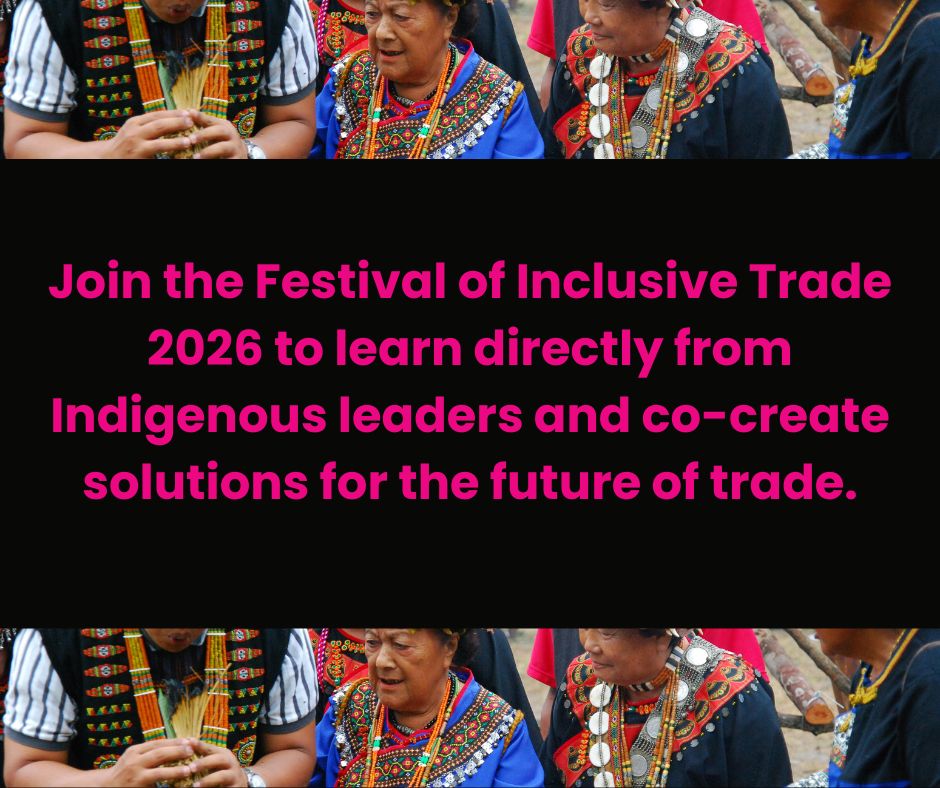
Sustainable trade goes beyond transactions—it relies on long-term partnerships, continuous engagement, and the integration of Indigenous voices in decision-making. Indigenous enterprises and communities around the world demonstrate how ongoing collaboration strengthens supply chains, builds resilience, and preserves cultural and ecological knowledge for future generations.
Why Ongoing Collaboration Matters
Incorporating Indigenous perspectives into institutional and commercial ecosystems ensures that trade initiatives are:
- Resilient: Partnerships built on trust can adapt to environmental, economic, and social changes.
- Ethical: Continuous involvement respects Indigenous governance, culture, and decision-making.
- Sustainable: Long-term collaboration supports ecological stewardship and intergenerational knowledge transfer.
Without sustained engagement, trade initiatives risk misalignment with community priorities, cultural misappropriation, and unsustainable practices.
Case Studies in Practice
1. Indigenous Business Australia (IBA)
IBA embeds Indigenous representatives in funding, policy, and program decisions for trade and enterprise support. Continuous consultation ensures that initiatives support economic development, cultural integrity, and supply chain inclusion. (Indigenous Business Australia)
2. Te Rūnanga o Ngāi Tahu, New Zealand
This Māori iwi maintains long-term partnerships with government, business, and environmental stakeholders. Co-governance and advisory roles ensure that trade, tourism, and export initiatives are aligned with cultural values, ecological stewardship, and economic growth. (Te Rūnanga o Ngāi Tahu)
3. First Nations Development Institute, USA
This organisation supports Indigenous enterprises in global trade, embedding Indigenous advisory councils to guide policy, project design, and supply chain integration. Long-term engagement strengthens economic opportunity, sustainability, and community resilience. (First Nations Development Institute)
4. Tiwi Enterprises, Northern Australia
Tiwi Island businesses maintain collaborative networks across communities to manage art, craft, and natural resource supply chains. By embedding Indigenous decision-making in governance and operations, these networks ensure sustainability, fair benefit sharing, and cultural integrity. (Tiwi Land Council Enterprises)
Practical Guidance for Global Trade Professionals
1. Embed Indigenous Voices in Governance
Include Indigenous leaders in boards, advisory councils, and institutional decision making for trade programs and supply chains.
2. Build Long-Term Partnerships
Prioritise relationships that extend beyond individual projects, supporting sustained economic, cultural, and ecological benefits.
3. Integrate Sustainability Across Operations
Design trade initiatives that consider environmental stewardship, ethical sourcing, and intergenerational knowledge transfer. Indigenous expertise provides practical guidance for maintaining sustainable global supply chains.
Why This Matters for Global Supply Chains
Ongoing collaboration with Indigenous communities enhances supply chains by:
- Reducing vulnerability: Long-term partnerships create networks that can adapt to market or environmental shocks.
- Enhancing credibility: Inclusion of Indigenous governance demonstrates ethical and socially responsible trade practices.
- Supporting cultural and ecological sustainability: Ongoing engagement ensures that trade respects ecosystems and cultural heritage.
Sustainable trade is inclusive, resilient, and globally responsible when Indigenous perspectives are embedded in supply chains and institutional systems.
Connecting to the Festival of Inclusive Trade 2026
The Festival of Inclusive Trade 2026 will explore long-term collaboration and sustainability strategies, showcasing how Indigenous participation strengthens global trade systems.
Get Involved: Attend workshops and sessions to explore institutional co-governance, long-term collaboration, and sustainable trade frameworks, and discover how your organisation can integrate Indigenous participation into global supply chains for lasting impact.