Indigenous Practices in Global Trade: Validation and Consent
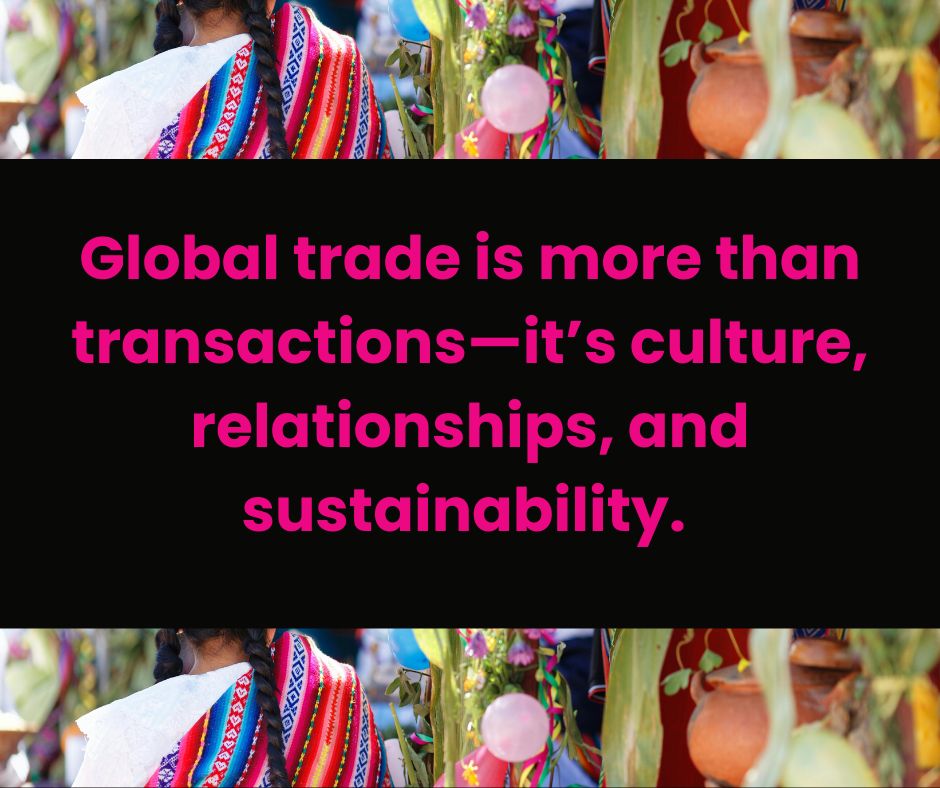
Ethical engagement is a cornerstone of inclusive trade. Indigenous communities have long emphasised that trust, consultation, and consent are essential when engaging in commercial or supply chain initiatives. Validation and free, prior, and informed consent (FPIC) ensure that Indigenous knowledge, cultural heritage, and resources are used respectfully and equitably.
Why Validation and Consent Matter in Trade
Global trade initiatives that involve Indigenous communities must go beyond procedural inclusion—they must actively ensure:
- Community consultation: Decisions affecting resources, culture, or livelihoods are made collaboratively.
- Informed participation: Communities understand the scope, impact, and benefits of trade projects.
- Cultural integrity: Practices and knowledge are not misappropriated or exploited.
This approach is critical for ethical supply chains, long-term partnerships, and sustainable global trade.
Case Studies in Practice
1. Stradbroke Island, Australia – Quandamooka People
The Quandamooka Nation has guided tourism, environmental management, and commercial initiatives on Stradbroke Island through robust consultation and decision-making processes. Any projects affecting land, water, or cultural resources require community approval, ensuring FPIC is respected. This model demonstrates how validation safeguards both cultural heritage and sustainable economic participation. (Quandamooka Yoolooburrabee Aboriginal Corporation)
2. Aboriginal Bush Foods, Australia
Indigenous communities in Northern Australia have established cooperative frameworks for commercialising native foods. All trade projects require consultation, benefit-sharing agreements, and consent from community councils, ensuring local knowledge and ecological management are respected. (Supply Nation)
3. Torres Strait Islander Seaweed Enterprises
Communities in the Torres Strait collaboratively manage seaweed harvesting and trade for global markets. Commercial activity only proceeds with full community consultation, ensuring ecological sustainability and cultural oversight. (Torres Strait Regional Authority)
4. Inuit Art Cooperatives, Canada
The West Baffin Eskimo Cooperative engages elders and community members in approving the production and export of artworks. This ensures that cultural knowledge is preserved, intellectual property is respected, and community benefits are equitably distributed. (West Baffin Eskimo Cooperative)
Practical Guidance for Global Trade Professionals
1. Implement Free, Prior, and Informed Consent (FPIC)
Before initiating trade projects, ensure communities fully understand the scope, potential risks, and benefits. Seek explicit consent through culturally appropriate consultation.
2. Formalise Benefit-Sharing Agreements
Document agreements on revenue sharing, resource use, and knowledge protection. Co-created agreements foster trust and long-term collaboration.
3. Respect Governance and Decision-Making Structures
Engage with councils, elders, and community committees as required. Adhering to Indigenous governance protocols safeguards ethical practices and strengthens relationships.
Why This Matters for Global Supply Chains
Validating and obtaining consent from Indigenous communities strengthens trade systems by:
- Reducing legal and reputational risks for companies and trade networks.
- Ensuring sustainable resource management informed by local knowledge.
- Building trust and credibility, which are essential for long-term partnerships in global supply chains.
Ethical validation is not just a regulatory requirement—it is good trade practice that enhances the resilience, inclusivity, and sustainability of supply chains.
Connecting to the Festival of Inclusive Trade 2026
At the Festival of Inclusive Trade 2026, participants will explore how validation, consultation, and consent underpin ethical trade.
Get Involved: Attend sessions to learn from Indigenous leaders about ethical engagement, co-governance, and community-cantered supply chains, and discover how these principles can be integrated into your global trade initiatives.