The Risk Architecture Behind Global Trade
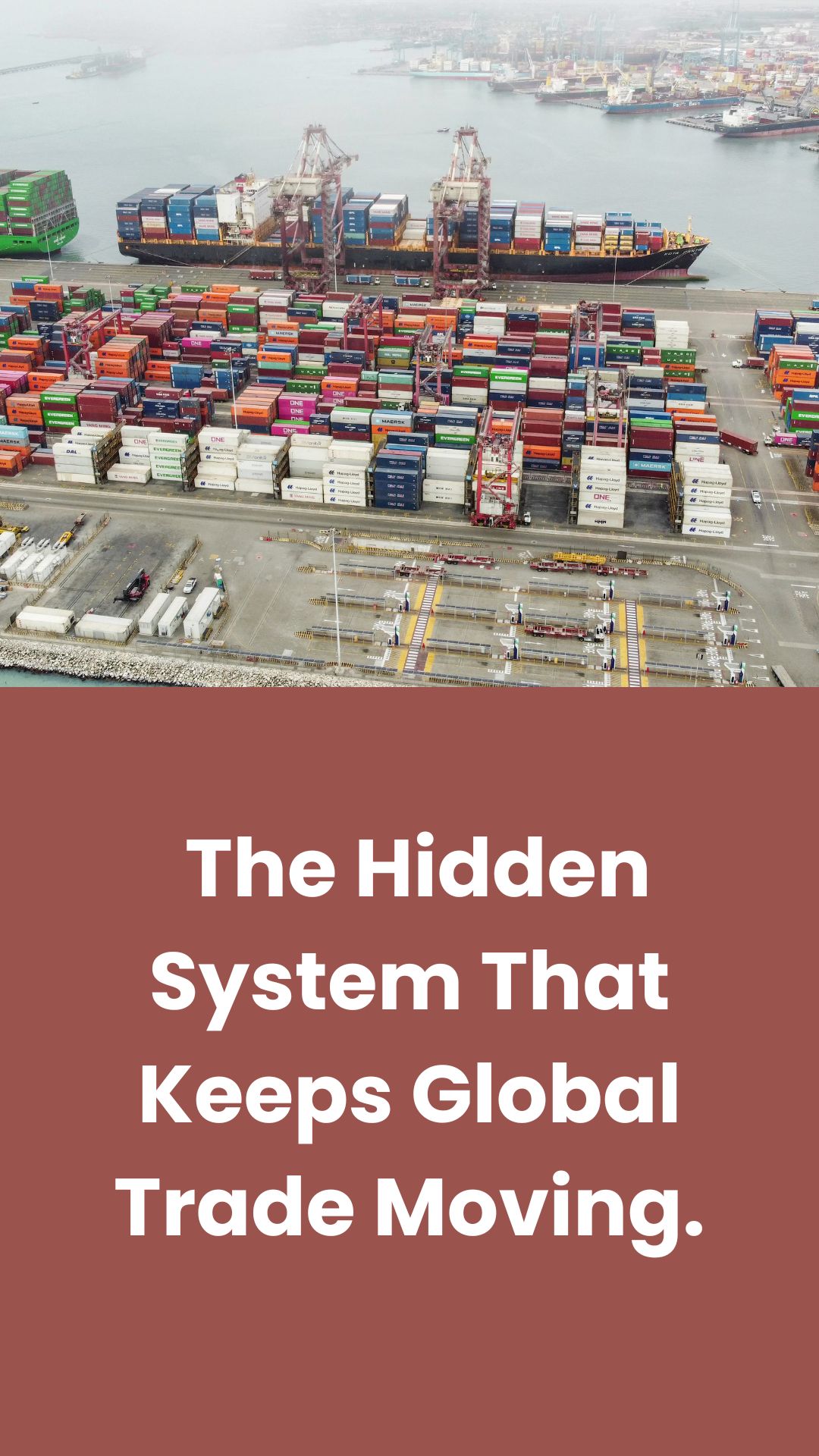
Global trade doesn’t move on ships alone. It moves because a sophisticated system exists to identify, allocate, finance, and insure risk across every stage of a transaction.
One layer of protection is marine insurance, which covers the physical movement of cargo and vessels across the world’s oceans. Markets such as Lloyd’s of London specialise in distributing maritime risks—from storms and accidents to piracy and geopolitical tensions—across multiple insurers.
But shipping risk is only one part of the equation.
Incoterms, developed by the International Chamber of Commerce, determine which party in a trade transaction is responsible for transportation, insurance, and risk at each stage of delivery. Whether goods are sold under FOB, CIF, or DAP terms determines when risk transfers between exporter and importer.
At the same time, trade credit insurance protects exporters against the possibility that a buyer fails to pay after goods are shipped. This coverage helps companies extend credit to international buyers while protecting their balance sheets.
Global trade also relies on several additional layers of financial protection:
- Letters of Credit (LCs) issued by banks to guarantee payment once contractual shipping documents are presented.
- Export credit agency guarantees that support financing and protect exporters entering higher-risk markets.
- Cargo insurance covering loss or damage to goods during transit.
- Political risk insurance protecting investments and contracts against expropriation, currency restrictions, or conflict.
- Freight derivatives and hedging instruments that allow shipping companies and traders to manage volatility in freight rates.
- Foreign exchange hedging to protect traders from currency fluctuations between contract signing and payment.
- Supply chain risk management systems that monitor disruptions, logistics exposure, and geopolitical developments.
- Reinsurance markets that spread catastrophic losses across global insurance capital.
Together, these tools form the risk architecture of international commerce:
- Marine and cargo insurance manage transport risk
- Incoterms allocate responsibility and liability
- Credit insurance and letters of credit protect payment risk
- Political risk insurance protects sovereign and regulatory risk
- Financial hedging tools manage market volatility
Global trade does not eliminate uncertainty. Instead, it succeeds because risk is priced, allocated, and shared across insurers, banks, traders, and investors worldwide.
Understanding this ecosystem is increasingly important as supply chains navigate geopolitical tensions, climate events, and economic volatility.
In global trade, managing risk is not a side function—it is the system that makes trade possible.